Hedge Trimming in Sudbury

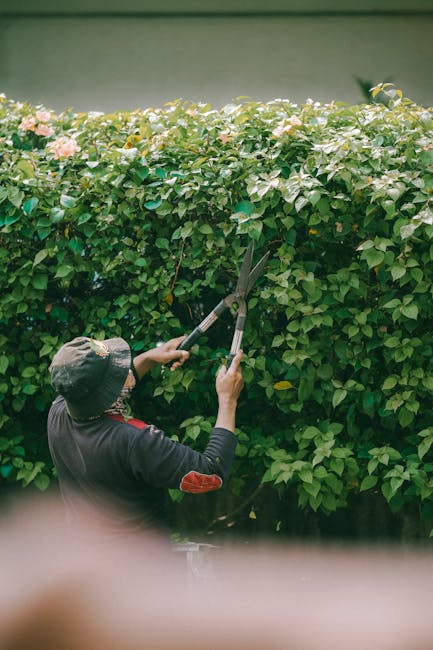
Hedge Trimming Sudbury provides hedge trimming in Sudbury for gardens that need neat lines, healthier growth and a finish that suits the shape of the planting. Our main service is focused on regular hedge cutting, seasonal reduction and careful reshaping, with work planned around the species, size and condition of the hedge. Whether a boundary hedge needs tidying after a strong growing spell or an ornamental hedge needs a more precise outline, the aim is a clean result that respects the plant.
We work with hedges that form boundaries, screen views or support a wider garden layout, and we also handle overgrown sections where the growth has become uneven, heavy or difficult to manage. A well-trimmed hedge is not just about appearance; it can help keep the structure denser, reduce straggly growth and make future maintenance more manageable. If you are comparing options for hedge cutting, you can read more on our hedge trimming service and decide what level of work suits your garden.
When you are ready to take the next step, ask for a quotation and tell us what the hedge needs. A short description of the height, length and general condition is usually enough to begin a useful discussion, and if you already know whether you want a light trim, reduction or a fuller tidy-up, that helps shape the right approach. For a broader view of how we work, our services overview sets out the main garden services available.
Regular Hedge Cutting and Seasonal Care
Regular hedge cutting is often the simplest way to keep a garden border orderly and prevent the hedge from becoming too broad or top-heavy. In practical terms, that means trimming new growth back to a controlled line, clearing awkward shoots and keeping the overall profile consistent. For many gardens, the right rhythm is less about dramatic change and more about steady maintenance that preserves the hedge’s shape while avoiding harsh cuts that can leave it looking sparse.
Seasonal care matters as hedges change through the year. Some grow vigorously in warmer months, while others respond best to lighter attention at specific points in the season. A hedge that has been left a little too long between trims may need more than a simple pass, especially where the top has widened or the sides have lost definition. In those cases, we can look at whether the work should be staged so the hedge stays balanced rather than being reduced too abruptly.
What a tidy trim typically involves
For a standard trim, the work usually begins by assessing the hedge line from different angles so the final outline looks natural from the garden path, patio or roadside edge. The cut then follows the existing form, with attention to thickness at the base, height at the top and any areas where shoots have become patchy. Where needed, a lighter interior tidy can help encourage a cleaner outer profile without overworking the plant. If you want to explore related garden services alongside trimming, see our garden maintenance page.
Shaping, Reduction and Restoring Control

Some hedges need more than routine maintenance. When growth has outpaced the space available, the hedge may benefit from shaping or a measured reduction to bring it back into proportion with the rest of the garden. This is especially relevant where a hedge is close to a path, driveway, fence line or neighbouring boundary and needs a clear edge without looking over-cut. The goal is a controlled finish that restores order while keeping the hedge healthy enough to continue as a feature or screen.
Restoration work is different from light trimming because it requires more judgment about what can be reduced safely and what should be left for future seasons. A hedge that has become leggy, lopsided or too high for comfortable maintenance may need a careful plan rather than a single aggressive cut. In those situations, it is sensible to think about the shape you want to keep, the amount of growth available to work with and how visible the hedge is from the main parts of the garden. You can also review our landscaping page if you are considering hedge work as part of a wider garden improvement.
For many customers, the most useful outcome is a hedge that looks deliberate again: level at the top where needed, even on the sides and trimmed back enough to stop it feeling out of scale. If the hedge has a mix of strong growth and thinner sections, the work may be adjusted to protect the weaker areas while still improving the overall line. Careful reduction is usually better than rushing, particularly where you want the hedge to recover neatly over time.
Boundary Hedges, Privacy and Garden Structure
Hedges often do more than define an edge. They can frame a garden, soften a fence, filter views and help create a clear sense of enclosure without hard landscaping. Because of that, trimming needs to respect both the practical purpose of the hedge and the appearance it gives to the rest of the space. A boundary hedge that has been cut too unevenly can make a garden feel untidy, while a hedge that is trimmed with consistent care can help the whole setting look settled and well kept.
Different hedge types need different treatment. A formal hedge usually benefits from crisp, repeated trimming that keeps the sides straight and the top level or slightly tapered. A looser hedge may only need a tidier outline, with the natural character preserved. Where the hedge forms an important privacy screen, the work may focus on improving density and controlling bulk without opening up gaps that would reduce its usefulness. If the hedge is part of a larger tidy-up, the related garden clearance service may also be relevant for adjoining overgrowth, cuttings or surrounding borders.
In gardens with strong lines, hedges can act as a visual backbone, linking lawn edges, beds and paths into a more coherent layout. That is why hedge trimming is often best approached as a shaping task rather than a simple cut-and-remove job. The finish should suit the surrounding planting, the available space and the way the garden is used day to day, with the hedge doing its job quietly in the background rather than drawing attention for the wrong reasons.
How We Approach a Hedge Trimming Job

Every hedge has its own growth pattern, and a sensible approach begins with that reality. The first consideration is whether the hedge needs only a light tidy or a more involved correction. From there, the work can be planned around the hedge’s shape, the density of the foliage and the degree of access around it. A narrow run beside a path may need a different method from a long rear boundary, and taller hedges may require extra care to keep the line even from end to end.
Before work starts, it helps to know the hedge species if you have that information, but it is not essential to request a quotation. What is useful is a clear idea of the hedge’s length, approximate height and whether it has been maintained regularly or left for a longer period. If you want to make the enquiry straightforward, you can send a brief note about the area to be trimmed, plus a couple of photos if that is convenient. That usually gives enough context to discuss the best option without overcomplicating the process.
A practical preparation step is to think about access. Garden gates, parked vehicles, narrow side returns and delicate plants near the hedge can all affect how the work is carried out, so it is useful to mention anything that might matter. If there are areas you would like left untouched, or if you prefer a light trim rather than a deeper reduction, say so early. To see what else is available alongside hedge care, our tree lopping and removal page may also be useful for taller or conflicting growth nearby.
Trimming Near Lawns, Beds and Hard Surfaces
Hedges that sit beside lawns, borders, paving or decorative gravel need a tidy finish because every cut edge is visible. Small inconsistencies can stand out much more quickly in these settings, so a careful line is important. The objective is to stop the hedge feeling jagged or overhanging while also avoiding unnecessary disturbance to the surrounding planting and surfaces. When the hedge is close to a lawn edge, a clean vertical side can make the whole garden look more orderly at once.
Where a hedge borders a planted bed, it is often wise to trim with extra control so the surrounding shrubs, climbers or perennials are not pulled into the work area. On hard surfaces, the focus may be on minimising the spread of clippings and preserving access while the cut is underway. A well-handled hedge can improve the sense of structure around patios and walkways, and it can also make nearby maintenance easier because there is less stray growth leaning into the space. For wider soft landscaping work, the landscape gardening page gives a broader context.
In practical terms, trimming beside hard surfaces often reveals how much the hedge has drifted over time. A hedge that once looked neat from one angle may now have hidden bulges or a wider base that narrows the usable space. Addressing that carefully can restore breathing room without taking the plant back too far. The best finish usually looks calm and unforced, with the hedge clearly contained but still part of the garden rather than an isolated feature.
About Sudbury
Sudbury is a market town in Suffolk, close to the Essex border, and its long history can still be traced through the pattern of streets, riverside spaces and older buildings in the centre. The River Stour passes nearby and forms part of the wider setting that has shaped movement and settlement in the area for centuries. Sudbury is also known for its association with the artist Thomas Gainsborough, who was born there in 1727, and the town’s cultural identity continues to draw on that heritage through local references, exhibitions and place names. The market town character remains visible in the centre, where independent shops, civic buildings and a mix of historic and later architecture sit alongside everyday services. That combination gives the town a layered appearance rather than a single period look. St Peter’s Church, with its prominent tower, is one of the most recognisable landmarks, while the river corridors and green spaces around the town offer a softer contrast to the built core. Sudbury’s location near the Suffolk countryside also means that urban streets, residential edges and more open landscapes sit within a relatively compact area, creating a varied townscape. Visitors and residents alike encounter a place where history is still legible in the street layout, but where the town also functions as a modern centre for shops, housing and community activity.
Formal Finishes and Informal Garden Hedges
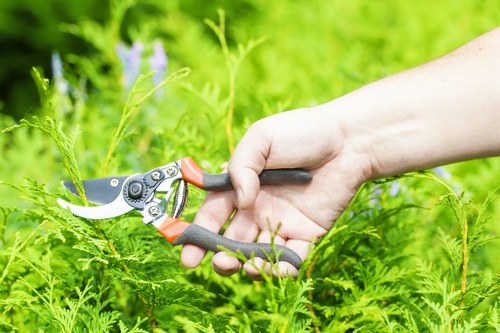
Not every hedge should be treated in the same way. A formal hedge usually calls for straight lines, consistent height and repeated trimming to keep the outline crisp. This style works well where the hedge is part of a structured garden, perhaps beside paving, a driveway or a clipped front boundary. An informal hedge, by contrast, may be trimmed just enough to keep it manageable while preserving a softer outline and a little more of its natural character. The right choice depends on how the hedge sits within the garden and how visible it is from key viewpoints.
Formal hedges often need a little more attention to detail because small deviations in the top or sides are easier to notice. Informal hedges can tolerate slight irregularities, but they still need enough trimming to avoid becoming straggly or overbearing. If the hedge has mixed growth or an uneven base, the work may involve a combination of shaping and selective cutting rather than one uniform pass. The aim is to let the hedge look intentional, whether it is being used as a clean architectural line or a softer living boundary. If you are comparing broader service options, the garden maintenance page sits well alongside hedge care.
Good hedge trimming also takes account of how the plant will look after the cut, not just on the day the work is done. A hedge that is trimmed too severely can look thin, while one that is only lightly shaped may keep a fuller appearance. Getting that balance right is often the difference between a hedge that simply looks cut and one that looks properly maintained. That balance matters where the hedge is a major part of the garden’s overall design.
When a Hedge Needs More Than a Routine Trim
Some hedges gradually become too large, too wide or too woody for simple maintenance to solve in one visit. In those cases, it is often better to plan the work with realism rather than forcing the hedge back too hard. A hedge that has been neglected may have thinner growth lower down and stronger shoots at the top, so the cut has to be judged carefully to avoid leaving a visible gap or a stressed finish. The best result is often a controlled improvement, followed by more regular care later.
Where access is awkward or the hedge has become partly obstructed by other growth, the work may need to be coordinated with nearby garden tasks so the hedge can be reached properly. That might involve clearing the line around the hedge before trimming, or deciding which sections should be tackled first. It can also be useful to consider whether any nearby trees are casting heavy shade or competing for space, because those factors can affect how the hedge responds after the cut. For those situations, our pricing and quotes page is a sensible place to begin discussing the work in a structured way.
If you are unsure whether a hedge is suitable for a tidy trim or a more involved reduction, describing the current condition is usually enough to start. Mention whether the hedge is even, whether one side is worse than the other, and whether the top has moved beyond the intended line. That kind of information helps keep the enquiry focused. A careful description saves time and makes it easier to match the right level of work to the hedge in front of you.
Requesting a Quotation for Hedge Trimming

To request a quotation for hedge trimming in Sudbury, the most useful details are the hedge’s approximate size, the general condition and what result you want to achieve. If you would like a light tidy, a reduction in height, a correction to uneven sides or a full seasonal trim, say that clearly. It also helps to know whether the hedge is front-facing, part of a boundary or working as a privacy screen, because those details affect how the job is planned and what finish is appropriate.
If your hedge is part of a wider garden tidy-up, you may want to note any related work at the same time, such as surrounding clearance, lawn edging or nearby planting that needs to be protected. That allows the quotation to reflect the full scope instead of treating each element separately. For practical arrangements and other customer information, our contact us page is the simplest place to start, and if you want to check wider company information, the about us page gives a general introduction.
When you are ready, request your quotation today and tell us what kind of hedge work you need. A clear message is enough to begin, and if you can add a few notes about access or timing preferences, that will make the next step smoother. We aim to keep the process straightforward, so you can move from enquiry to a tidy, well-shaped hedge without unnecessary back and forth.